DNR survey data · statewide
3 Overlooked Crappie Lakes in Minnesota
3 crappie lakes that fish better than their reputations, picked from 2,463 surveyed Minnesota lakes using DNR catch rates and fish sizes.
By David Berget · Published August 17, 2026 · Updated September 22, 2026
The DNR has recorded crappie in 2,463 Minnesota lakes. The 3 below get little attention, but their survey numbers are strong, and each one has public boat access, a ramp or a carry-in.
The lakes with the most crappie are usually not the lakes with the biggest crappie. Some of these made the list for how many fish the DNR caught and some for how big they were. The label on each lake says which.
Numbers and size. The DNR caught 44.8 crappie per trap net, and about 1 in 185 of them went 14 inches or better, an unusually high rate for lakes like this.
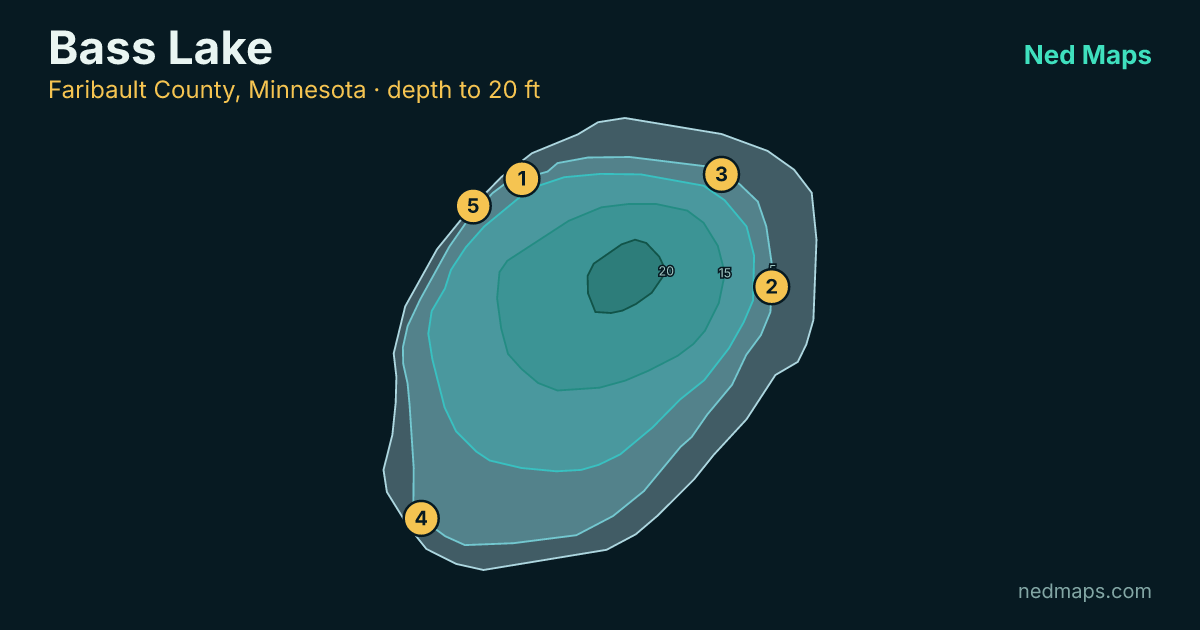
- 199 acres
- 20 ft deep
- biggest 14 in
- surveyed 2024
Numbers and size. The DNR caught 38.4 crappie per trap net, and about 1 in 909 of them went 14 inches or better, a high rate for lakes like this.
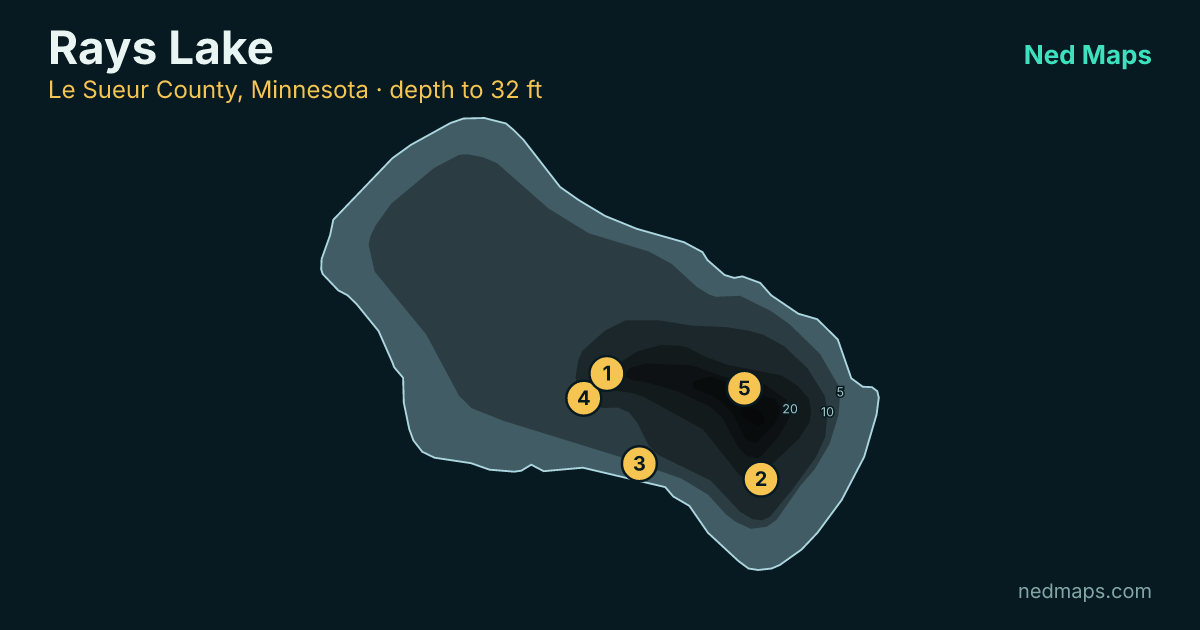
- 169 acres
- 32 ft deep
- biggest 11 in
- surveyed 2021
Big fish. 25% of the crappie measured here were 10 inches or better.
- 53 acres
- 43 ft deep
- biggest 13 in
- surveyed 2016
How these crappie lakes were picked
Crappie travel in schools, so a trap net either lands on one or misses it. Crappie numbers also rise and fall over a few years as strong year classes come and go, so treat any one survey as a snapshot. The DNR's moderate mark for trap nets is 20 crappie per net, and every lake below met it in a DNR survey, not in angler reports. The DNR calls 10 inches quality size for crappie.
Of the 2,463 lakes with crappie on record, 1,321 are under 60 feet deep with at least 50% of their water in the shallows, where most of the food grows. From those we set aside the lakes already on our list of the state's best crappie water, since they get plenty of attention. Then we kept only lakes surveyed since 2016 that met the catch-rate mark above and have public boat access, and listed each body of water once. These 3 scored best of what was left. The full method is on how the grades work.